High-Efficiency Animal Nutrition Solution with Palmitic Acid Feed Grade
release time:
2026-03-12
Quality palmitic acid feed grade suppliers offer stable fatty acid additives that enhance feed energy, improve animal nutrition, and support livestock productivity.
Palmitic acid feed grade is an important nutritional ingredient widely used in modern animal feed formulations to improve energy supply, enhance productivity, and support healthy livestock development. As the livestock and dairy industries continue to pursue higher production efficiency and better feed utilization, palmitic acid feed grade has become a valuable feed additive for dairy cattle, poultry, pigs, and other livestock. Derived from high-quality fat sources and processed through advanced refining technology, this feed additive provides a stable and concentrated fatty acid source that supports improved metabolic performance and balanced animal nutrition.
In animal nutrition, energy supply is one of the most critical factors affecting growth, milk production, and overall productivity. Traditional feed formulas often struggle to provide sufficient and efficient energy, especially for high-producing dairy cows and rapidly growing animals. Palmitic acid feed grade offers a reliable solution by delivering highly digestible saturated fatty acids that can be efficiently utilized by animals. These fatty acids help increase dietary energy density without negatively affecting feed intake, making it possible to enhance animal performance while maintaining a balanced diet.
One of the key advantages of palmitic acid feed grade is its ability to improve milk production and milk fat content in dairy cows. During the peak lactation period, dairy cows require a large amount of energy to support milk synthesis. Insufficient energy supply can lead to reduced milk yield and health problems. By incorporating palmitic acid feed grade into dairy feed, farmers can provide additional energy that supports higher milk output and improved milk quality. The stable fatty acid composition also helps maintain rumen function and supports consistent production performance.
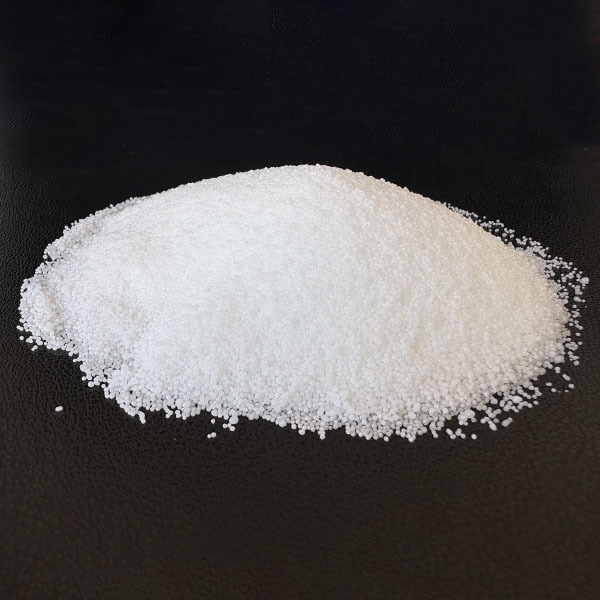
Another important benefit of palmitic acid feed grade is its positive impact on feed conversion efficiency. In modern livestock production, feed costs represent a significant portion of total operating expenses. Improving feed efficiency means that animals can produce more meat, milk, or eggs from the same amount of feed. Palmitic acid feed grade enhances the energy value of feed formulations, enabling animals to convert nutrients into productive output more effectively. This leads to improved economic returns for livestock producers.
Palmitic acid feed grade also plays a role in supporting animal health and metabolic stability. High-quality fatty acids are essential for maintaining cellular functions, supporting hormone production, and providing long-term energy reserves. The stable chemical structure of palmitic acid ensures that it remains effective during feed processing and storage. This stability allows feed manufacturers to maintain consistent nutritional quality while reducing the risk of oxidation or nutrient degradation.
The versatility of palmitic acid feed grade allows it to be used in a wide range of animal nutrition applications. In dairy farming, it helps increase milk yield and milk fat levels. In poultry production, it supports improved growth rates and better feed efficiency. In pig farming, it contributes to enhanced weight gain and healthier development. Because it can be easily blended into different feed formulations, it provides flexibility for feed manufacturers and nutritionists who are designing balanced diets for different animal species.
A practical example of its application can be seen in large-scale dairy farms where maintaining high milk production is a constant challenge. Many dairy farms face issues such as energy deficiency in high-producing cows, which can result in lower milk yield and metabolic stress. By supplementing feed with palmitic acid feed grade, farmers can increase the energy density of the diet without significantly increasing feed volume. This allows cows to maintain strong production performance while supporting their overall health.
Another real-world application occurs in commercial feed manufacturing companies that supply feed to livestock farms. These companies need to produce nutritionally balanced feed that can deliver consistent results across different farming environments. By incorporating palmitic acid feed grade into their feed formulas, manufacturers can improve the energy value of their products while maintaining stable quality during storage and transportation. This helps them provide reliable feed solutions to farmers.
Many livestock producers struggle with several common challenges, including fluctuating milk production, inefficient feed utilization, and rising feed costs. Palmitic acid feed grade addresses these issues by improving the energy density of feed, supporting higher productivity, and helping animals maintain optimal metabolic balance. Its stable quality and reliable nutritional value make it a dependable component in modern animal nutrition programs.
As global demand for meat, milk, and eggs continues to increase, the livestock industry must adopt more efficient and sustainable feeding strategies. Palmitic acid feed grade provides an effective solution by enhancing feed performance, supporting animal health, and improving production efficiency. With its proven benefits and wide application potential, it has become an important ingredient for feed manufacturers, dairy farmers, and livestock producers seeking to achieve higher productivity and better economic outcomes.
keyword:
palmitic acid feed grade

The precursor of Dalian Daping Oil Chemicals Co. Ltd. is Zhuanghe Tongda Oil Chemical Factory,Which was established in 1988. It is a large-scale private enterprise specializing in production,processing,research and development of soybean oil chemicals.
Contact Us
Room 2801 B Block, XingHai International Financial Center, No.13 XingHai Square A Zone, ShaHeKou District,Dalian,116021,China

在线客服添加返回顶部
右侧在线客服样式 1,2,3 1
图片alt标题设置: 记得修改:公司名称
表单验证提示文本: Content cannot be empty!
循环体没有内容时: Sorry,no matching items were found.
CSS / JS 文件放置地